For a north-west wall, Vastu asks for one thing above all: art that moves. This is Vayu’s wall, the corner of air and wind, so it governs movement, travel and the guests and helpful people who keep a home’s luck circulating. Hang birds in flight, open skies, or cranes and egrets rising off the water, and keep still, heavy, stagnant scenes away. That is the whole rule for a north-west wall painting, and it is simpler than a blank wall makes it feel.
The north-west wall at a glance
| Feature | North-west wall |
|---|---|
| Element | Air (Vayu) |
| Ruler | Vayu, with a secondary lunar pull |
| Governs | Support, networks, movement, guests |
| Hang | Birds in flight, open skies, white elephants, camels |
| Colours | White, light grey, silver, soft pastels |
| Avoid | Still scenes, dark mountains, caged birds, heavy water |
Why the North-West Is the Wall of Support and Movement
Every wall in Vastu answers to a direction, an element and a ruling force. The north-west answers to Vayu, god of wind, so air is its element, with the moon adding a second, quieter pull. That makes the wall’s job movement: the circulation of people and opportunities through your life. Money is the north’s water and fame is the south’s fire; the north-west governs flow.
This is why Vastu ties the corner to helpful people: the guests, clients, mentors and allies who arrive when you need them. So the test for anything here is plain: does it move? Wind, wings, an open horizon and a traveller mid-journey read as the circulation this wall wants; still, heavy imagery reads as the opposite. The whole-home vastu painting guide maps all eight walls; this one takes the north-west down to the exact paintings, colours and rooms.
The 6 Best Paintings for a North-West Wall
1. Birds in flight
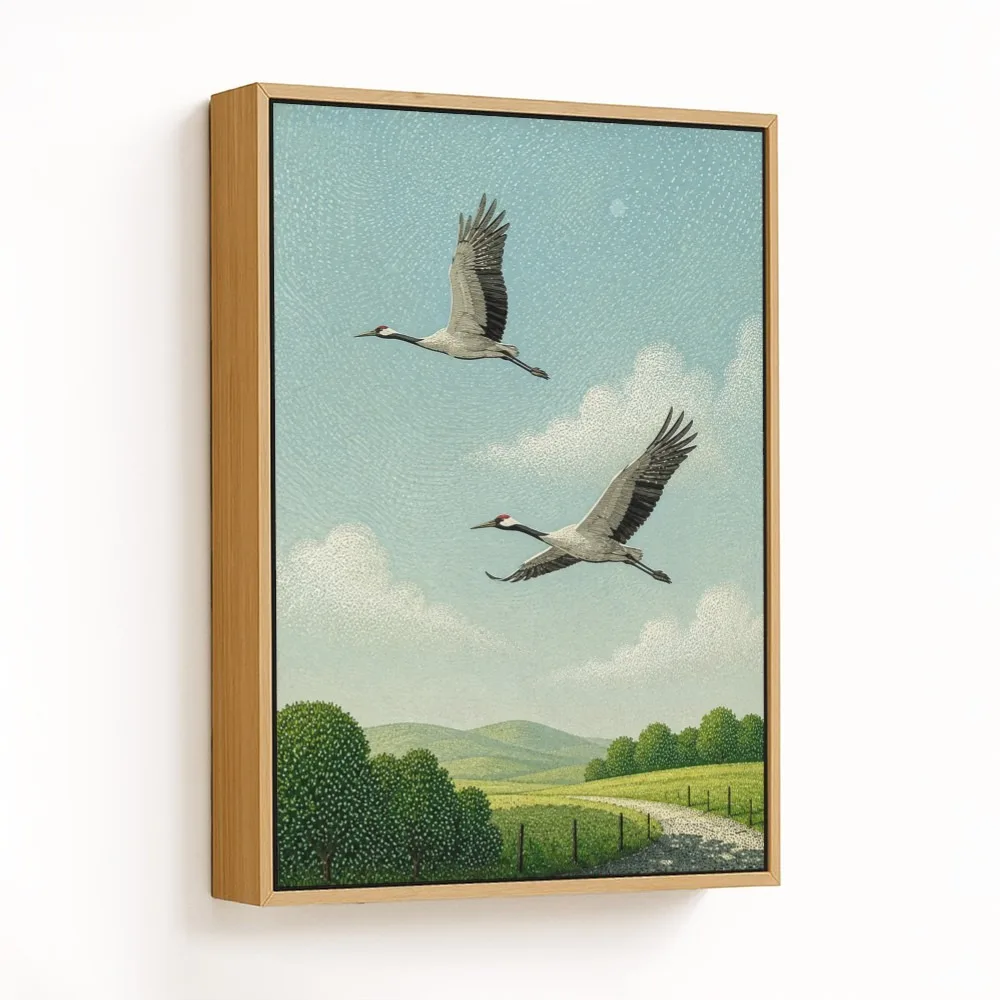
This is the definitive north-west painting, and buyers already know it: “northwest vastu birds” is one of the searches that brings people to us. Birds in flight are movement you can see, the exact character Vayu’s wall wants. A skein of cranes, egrets lifting off the water, geese crossing a pale sky, all read as help arriving on the wing. Hang the flock flying into the room, never out of the frame.
Browse the flying-bird paintings our customers hang most on this wall:
2. Open skies and clouds
Without birds, a wide open sky does the same work: drifting clouds, a dawn horizon, a hot-air balloon over a valley. Keep it bright, soft cloud rather than a black storm front that weighs the air wall down.
3. White elephants
The white elephant is a classic north-west emblem, and one of the most-loved subjects in our white-elephant collection. In Indian tradition it stands for victory, protection and royal favour, the goodwill of powerful allies this wall governs. Choose one in a pale, luminous palette rather than heavy grey stone, and face it into the room.
A few white-elephant paintings that suit a north-west wall:
4. Camels
The camel is the traveller of the group, built for the long journey that pays off. Vastu keeps camel art on the north-west for that reason: movement of a steadier kind than birds. A caravan on warm dunes suits a study or office corner. Our camel vastu paintings sit in the same curated collection.
5. Windmills and sailing boats
Some subjects show the air itself at work: a windmill turning, a sailboat leaning into a breeze, a kite high on its string. The one condition is motion. A becalmed boat on flat, dead water sends the opposite signal and belongs nowhere near this wall.
6. Light, airy abstracts
If figurative art is not your taste, colour carries the air element alone. Look for abstracts in white, soft grey, pale silver and the lightest blues, washes and drifting forms rather than dense, blocky fields. Keep dark, earth-toned abstracts for other walls.
North-West Colours
The north-west palette is the lightest in the house: white, pale grey, silver and soft pastels. They keep the wall open and let whatever you hang read as movement.
- Whites and off-whites, the base note of the air wall.
- Light greys and silver, cool and cloud-like; a pearl or light-metallic accent adds shine without weight.
- Soft pastels, pale blue, dove, the faintest lavender, for colour without heft.
Keep deep browns, oxblood and big blocks of black off the north-west; dense dark colour sits like ballast on a wall meant to feel light.
North-West by Room
The north-west corner does a slightly different job in each room, so match the art to the room.
The living-room north-west corner
In the drawing room the north-west is the guests-and-conversation corner, the part that greets people and keeps talk moving. Give it something light and social, a flock of birds or an open sky or a pale white elephant, sized to the corner rather than crammed into it.
The guest room
The guest room is the north-west’s classic home: the wall of guests hosting your actual guests. Hang the most welcoming, airy art you have, birds in flight or a soft horizon, and it tells a visitor without a word that they are meant to feel at ease.
A daughter’s room or study
Vastu also ties the north-west to the daughters of the house, and to a study where you want momentum without agitation. Keep the art gentle and moving, cranes over water or a single windmill, progress without the restless feel of galloping horses.
What to Avoid on a North-West Wall
A few subjects work against the north-west, and the logic is always the same: anything that stops the air or weighs it down.
- Still, stagnant scenes. A silent pond, a sleeping midnight village, an empty motionless room. Calm suits other walls, but on the air wall stillness reads as stalled.
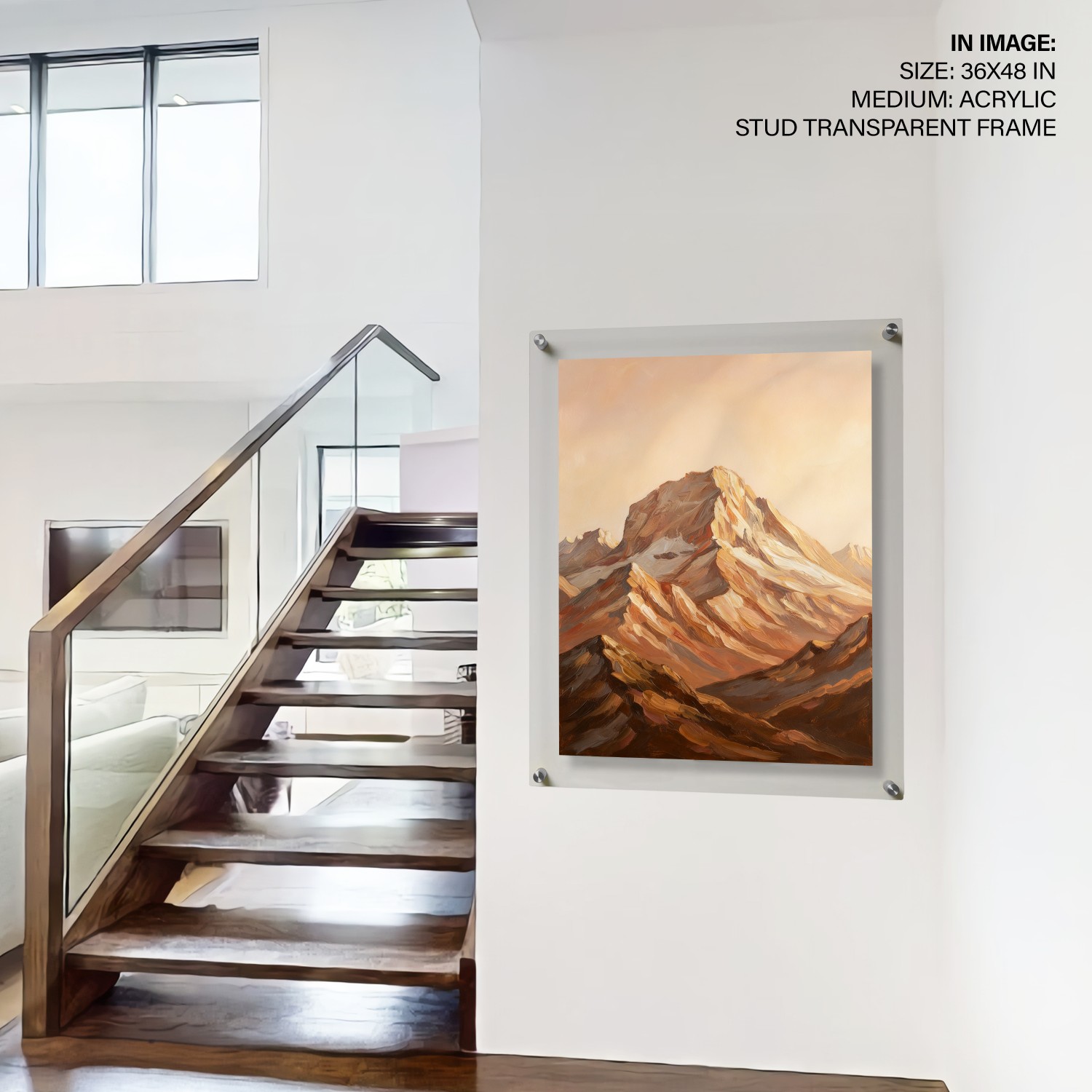
- Heavy dark mountains. A massive, shadowed range sits like a barricade across the movement. If you love mountains, they belong on the south.
- Caged birds. Birds are this wall’s best subject in flight and its worst in a cage: a caged bird is the image of movement denied.
- Water-heavy scenes. Waterfalls, rivers and wide seascapes belong on the north, the water wall. A little water under a flock of cranes is fine; a dominant water scene pulls the wrong element into the corner.
Frequently Asked Questions
Which painting is best for the north-west wall as per vastu?
Birds in flight are the best choice for a north-west wall: cranes, egrets or a rising flock that matches Vayu’s air element and its theme of movement and support. Open skies, white elephants and camels suit it well too. Keep still, heavy and water-dominated scenes off this wall.
Are bird paintings good for the north-west wall?
Yes, bird paintings are the single best subject for the north-west. Birds in flight are literal movement, exactly what Vayu’s air wall wants, and they carry the wall’s theme of help and opportunity arriving. Choose a flock rising or flying into the room, not caged or still birds.
Which colour suits a north-west wall?
Light, airy colours suit the north-west best: white, pale grey, silver and soft pastels like dove or the faintest blue. They echo the air element and keep the corner feeling open and in motion. Avoid heavy earth tones, deep browns and big blocks of black, which weigh the wall down.
What should not be hung on the north-west wall?
Keep still and stagnant scenes off the north-west: silent ponds, heavy dark mountains and caged birds all stop the movement the air wall needs. Water-dominated art such as waterfalls and rivers belongs on the north instead. Anything that feels heavy, sealed or motionless works against this wall.
Getting the North-West Right
Your north-west wall has one job: keep things moving. Give it wings and open air, a flock of birds or a bright sky or a camel mid-journey, in whites and soft greys with the motion pointing inward, and you have done what Vastu asks of the air wall. When you know your wall size, start with our vastu wall art collection, or see how all eight directions fit together in the whole-home vastu guide.