Wall Art: The Complete Guide
Table of Contents
- What does "wall art" mean?
- How has wall art evolved through history?
- What are the main types of wall art available today?
- What materials are commonly used in modern wall art?
- What are the popular colours and themes in wall art?
- Which rooms are best suited for wall art?
- How to choose the right size and placement for wall art?
- Which interior design styles work well with wall art?
- How to pair wall art with furniture, lighting, and décor?
- Iconic artists and movements that influence today’s wall art
- How to care for and maintain wall art?
- Expert styling tips for decorating with wall art
- Why wall art is essential for modern Indian homes
1. What does "wall art" mean?
Wall art refers to any artistic piece created to be displayed on a wall. It includes paintings, posters, prints, sculptures, canvases, photographs, and mixed-media pieces. Wall art brings personality, emotion, and design structure to a space. Modern wall art acts as a visual anchor and can transform a plain wall into a storytelling canvas.
2. How has wall art evolved through history?
Wall art has existed for thousands of years, evolving through major stages:
- Cave Art: Earliest human expression found in places like Bhimbetka.
- Ancient Frescoes: Greece, Rome, and India painted stories on walls.
- Medieval Period: Religious and symbolic art dominated interiors.
- Renaissance & Baroque: Realism, drama, and grand storytelling.
- Modern Movements: Abstract, Minimalism, Cubism, Pop Art revolutionised wall aesthetics.
- Contemporary Era: Digital art, 3D textures, minimal line art, and mixed media.
Today, wall art blends centuries of artistic evolution into home décor.
3. What are the main types of wall art available today?
Modern wall art comes in diverse formats:
- Canvas paintings and prints
- Framed posters
- Metal wall sculptures
- Wooden art panels
- Textured mixed-media art
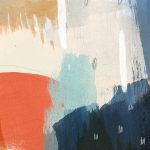
- Abstract art
- Photography prints
- Oversized statement pieces
- Gallery wall sets
- Handmade artisan pieces
This variety allows homeowners to express their personality through style, colour, and texture.
4. What materials are commonly used in modern wall art?
Wall art uses a mix of traditional and contemporary materials:
- Canvas & Linen: Ideal for paintings and premium prints.
- Wood: Used in carvings, layered sculptures, and natural textures.
- Metal: For modern, industrial, and luxury looks.
- Acrylic: Glossy, vibrant, and modern.
- Glass Frames: Clean and elegant.
- MDF: Perfect for 3D layered art and sculptures.
- Mixed Media: Resin, fabric, paint, and metals for depth and dimension.
Each material contributes a unique aesthetic and tactile quality.
5. What are the popular colours and themes in wall art?
Colours:
- Neutrals: beige, ivory, grey
- Earthy tones: terracotta, sage, rust
- Bold hues: navy, emerald, maroon
- Metallics: gold, bronze, copper
Themes:
- Abstract
- Botanical & floral
- Minimalist line art
- Nature & landscapes
- Modern Indian motifs
- Spiritual & meditative styles
- Geometric patterns
The right theme enhances the room’s ambience and complements its palette.
6. Which rooms are best suited for wall art?
Wall art works beautifully across all spaces:
- Living Room: Large feature pieces or curated gallery walls.
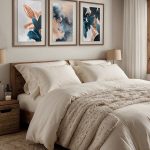
- Bedroom: Soft, calming art above the bed.
- Dining Room: Abstracts or earthy tones for warmth.
- Hallways: Slim vertical art or grouped frames.
- Workspace: Inspirational, minimal, or creative themes.
- Kids’ Rooms: Fun, colourful illustrations or educational art.
The selection should reflect the room’s purpose and mood.
7. How to choose the right size and placement for wall art?
- Art should be 60–70% of the furniture width above it.
- Large walls need oversized or multi-panel art.
- Small rooms benefit from medium pieces or gallery sets.
- Hang art so that its centre is 57–60 inches from the floor.
- Avoid placing large pieces on narrow walls.
Correct sizing creates visual harmony.
8. Which interior design styles work well with wall art?
- Modern: Abstracts, monochrome photography, geometric art.
- Scandinavian: Minimal line art, soft tones, nature-inspired pieces.
- Bohemian: Eclectic gallery walls, earthy hues, handmade art.
- Industrial: Metal art, monochrome prints, raw textures.
- Luxury Contemporary: Oversized canvases, metallic finishes, bold compositions.
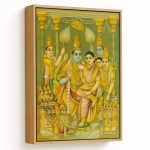
- Indian Ethnic: Madhubani, Warli, Tanjore, folk-inspired art.
Matching art to décor style elevates the entire interior.
9. How to pair wall art with furniture, lighting, and décor?
- Match colours with cushions, rugs, or curtains.
- Use picture lights or wall washers to highlight art.
- Combine art with décor objects like vases, sculptures, or plants.
- Ensure the art’s shape aligns with the furniture’s proportions.
- Avoid clutter around statement pieces.
Good pairing makes the artwork feel intentional and cohesive.
10. Iconic artists and movements that influence today’s wall art
Modern wall art draws from:
- Abstract Expressionism (Pollock, Rothko)
- Minimalism (Agnes Martin)
- Cubism (Picasso)
- Impressionism (Monet)
- Modern Indian Masters (M.F. Husain, Raza, Tyeb Mehta)
- Bauhaus-inspired geometry
These influences shape contemporary styles seen in homes today.
11. How to care for and maintain wall art?
- Keep away from direct sunlight.
- Dust frames and surfaces regularly.
- Use minimal glass cleaner for framed pieces.
- Keep moisture-sensitive art away from humid spaces.
- Store canvases upright when not displayed.
Proper care preserves the artwork’s beauty and longevity.
12. Expert styling tips for decorating with wall art
- Choose art you connect with emotionally.
- Use one large piece to anchor a room.
- Build colour continuity by repeating tones from the artwork.
- Create gallery walls for storytelling.
- Mix different media for depth: canvas + metal + prints.
- Leave breathing space around oversized pieces.
Styling with intention transforms the energy of a room.
13. Why wall art is essential for modern Indian homes
Indian interiors are evolving with modern tastes and cleaner aesthetics. Wall art is essential because:
- It completes the décor without clutter.
- It blends global trends with Indian cultural influences.
- It brings balance, colour, and emotional depth.
- It personalises a space instantly.
- It elevates everyday living with beauty and meaning.
In today’s design-conscious homes, wall art is not optional — it is foundational.