Wall Art by Style: The Complete India-Focused Guide
Table of Contents
- Why choosing wall art by style matters
- How to identify your interior design style
- Popular wall art styles (with Indian context)
- How different styles influence mood and energy
- Best rooms for each style
- Mixing and matching styles without creating chaos
- Pairing style-based wall art with furniture & décor
- Indian cultural influences across styles
- Lighting strategies for each style
- Expert styling tips
- Why style-based wall art elevates modern Indian homes
1. Why choosing wall art by style matters
Wall art defines the character of a room. Each style carries its own personality—minimal, bold, traditional, modern, romantic, or rustic. Choosing by style ensures your home feels cohesive rather than random, helping your décor look intentional and polished.
2. How to identify your interior design style
Ask yourself:
- Do you gravitate towards clean or detailed designs?
- Do you like neutral colours or vibrant palettes?
- Do you prefer symmetrical patterns or organic flow?
- Do you want a modern home or a culturally rich one?
Understanding your style preference helps you select wall art that genuinely enhances your space.
3. Popular wall art styles (with Indian context)
Modern
Clean lines, muted palettes, and elegant simplicity.
Contemporary
Current trends—fluid forms, trendy colours, expressive pieces.
Minimalist
Soft tones, simple silhouettes, peaceful visuals.
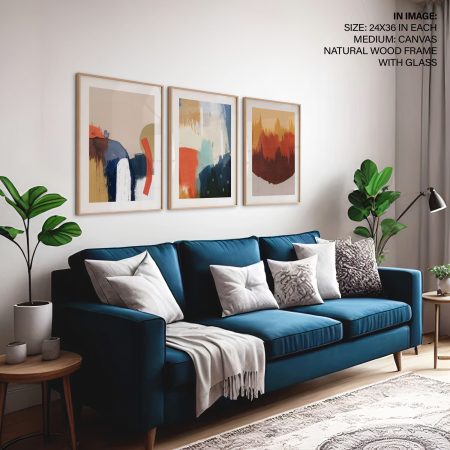
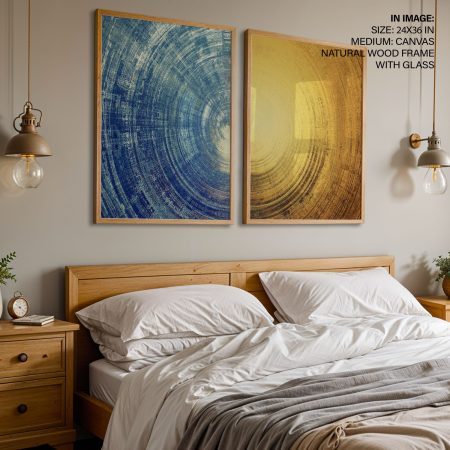
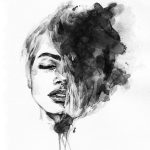
Abstract
Emotional, expressive, dramatic or subtle—fits almost all Indian homes.
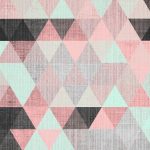
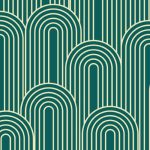
Geometric
Shapes, symmetry, precision—great for modern apartments.
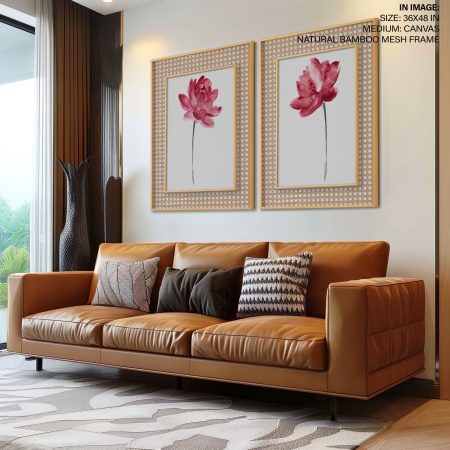
Line Art
Single-line drawings, faces, botanicals—minimal yet stylish.
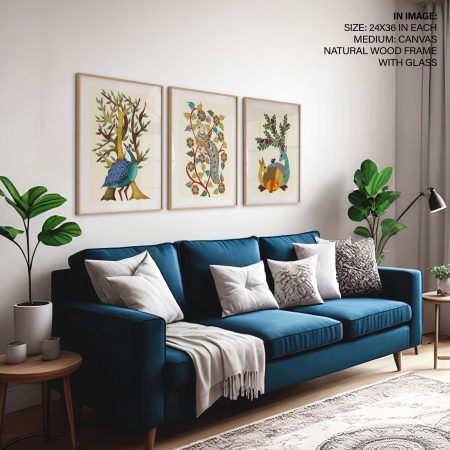
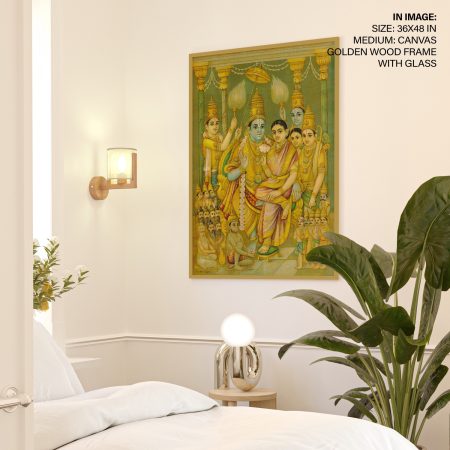
Traditional Indian
Madhubani, Gond, Miniature, Tanjore, Pattachitra.
Folk & Tribal
Warli, Bhil, Kalighat—raw, earthy, deeply cultural.
Rustic / Boho
Earthy patterns, warm tones, terracotta, feathers, woven textures.
Industrial
Metallics, machinery forms, concrete textures, black accents.
Luxury
Gold, marble, layered art, 3D sculptures.
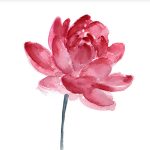
Romantic
Soft pastels, florals, silhouettes, dreamy compositions.
Vintage
Sepia art, retro Indian posters, Bollywood classics, old maps.
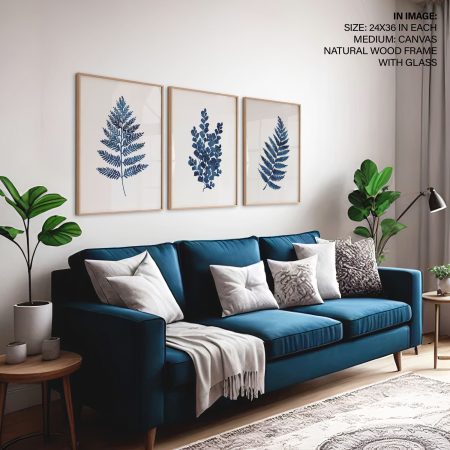
Botanical / Nature
Leaves, florals, nature abstracts, forest tones.
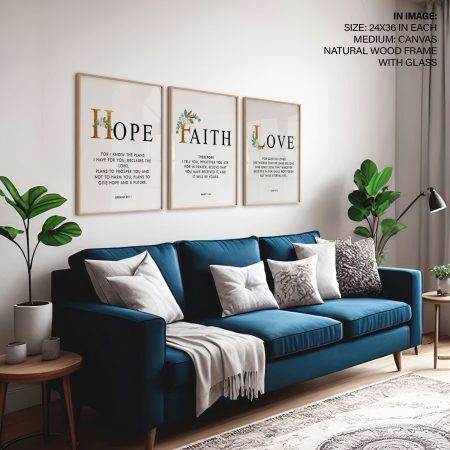
Spiritual
Mandalas, deity silhouettes, sacred geometry, lotus motifs.
Kids’ Themes
Animals, maps, educational art, fantasy themes, pastel illustrations.
4. How different styles influence mood and energy
- Minimalist: calm and peaceful
- Abstract: creative and expressive
- Traditional: nostalgic, cultural, warm
- Industrial: bold, urban, modern
- Botanical: refreshing and balanced
- Romantic: soft and intimate
- Luxury: grand and premium
- Vintage: nostalgic and comforting
Choosing the right style shapes the emotional tone of your home.
5. Best rooms for each style
Living Room
Abstract, luxury, geometric, traditional, vintage, contemporary.
Bedroom
Minimalist, romantic, botanical, line art.
Dining Room
Traditional, geometric, warm-toned abstracts.
Kids’ Rooms
Maps, animals, colourful pastels, educational art.
Home Office
Geometric, minimalist, industrial, motivational art.
Hallways
Vintage, minimal, elongated modern art.
Entryways
Spiritual, traditional, luxury statement pieces.
6. Mixing and matching styles without creating chaos
- Choose one dominant style and one supporting style
- Keep your colour palette consistent across pieces
- Use matching or similar frame finishes
- Maintain negative space to avoid visual clutter
- Use contrast wisely: modern + traditional works beautifully when balanced
A good rule: If mixing styles, let colour harmony tie them together.
7. Pairing style-based wall art with furniture & décor
Modern
Neutral sofas, metallic accents, glass tables.
Traditional
Carved wood, brass décor, handloom textiles.
Industrial
Metal furniture, concrete textures, Edison lights.
Luxury
Velvet sofas, marble tables, gold accents.
Boho
Layered rugs, jute, cane, plants.
Minimalist
Clean Scandinavian furniture, soft lighting.
Match the artwork’s style to the dominant theme of your room.
8. Indian cultural influences across styles
Even global styles carry Indian influence when used here:
- Mandala geometry integrated into modern art
- Tribal line styles influencing minimalist designs
- Botanical art drawing from Indian nature symbolism
- Gold accents reflecting traditional Indian luxury
- Bollywood retro prints shaping vintage themes
India’s artistic heritage enriches every décor style.
9. Lighting strategies for each style
- Minimalist: soft warm diffused lighting
- Luxury: spotlights or LED borders
- Industrial: cool or directional lighting
- Traditional: warm yellow lamps and spotlights
- Boho: natural light + warm lamps
- Geometric: track lighting for shadows and depth
Lighting dramatically changes how art appears.
10. Expert styling tips
- Let one statement piece dominate a wall
- Use artwork colours in cushions, rugs, or décor
- Choose large pieces for big walls to avoid emptiness
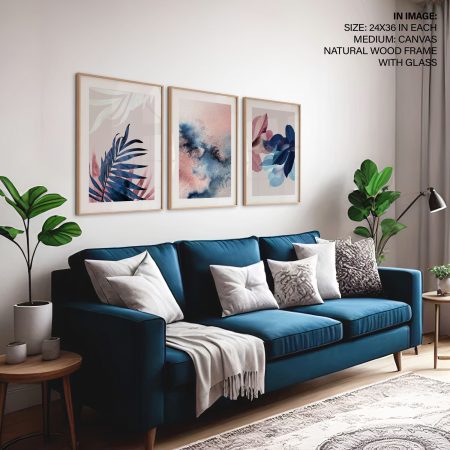
- Use 3–4 pieces in a gallery wall instead of many small ones
- Match frames across a collection
- Keep art at eye level (57–60 inches from the floor)
Good styling = balance + intention.
11. Why style-based wall art elevates modern Indian homes
- Helps express personality and cultural identity
- Creates harmony between furniture, colours, and décor
- Makes even simple interiors look premium
- Works beautifully with India's wood-heavy décor style
- Adds storytelling and emotional depth to each room
Selecting wall art by style ensures your home feels cohesive, curated, and beautifully designed.