Geometric Wall Art by Design: The Complete India-Focused Guide
Table of Contents
- What geometric wall art represents in interior design
- Why geometric design works beautifully in modern Indian homes
- The psychology of shapes and symmetry in geometric art
- Types of geometric wall art
- Popular colours and moods in geometric designs
- Best rooms for geometric wall art
- Geometric wall art for different age groups
- Indian cultural and architectural influences behind geometric patterns
- How to pair geometric wall art with furniture, décor, and lighting
- Interior styles that match well with geometric designs
- Installation and placement tips for geometric wall art
- Expert styling tips
- Why geometric wall art is trending in India
1. What geometric wall art represents in interior design
Geometric wall art uses lines, angles, shapes, and symmetry to create structured, visually striking compositions. It represents order, balance, and modernity. Whether simple or complex, geometric art adds sophistication and clarity to interiors, making it a favourite for contemporary Indian homes.
2. Why geometric design works beautifully in modern Indian homes
Indian interiors today are shifting towards cleaner, modern aesthetics while still appreciating traditional patterns. Geometric art fits perfectly because:
- It complements apartments with minimal furniture
- It adds structure to open-plan homes
- It visually organizes a room
- It pairs easily with Indian wooden furniture
- It works with both pastel and bold colour palettes
Geometric art balances simplicity with visual interest—ideal for evolving Indian lifestyles.
3. The psychology of shapes and symmetry in geometric art
Shapes influence how we feel:
- Circles: Calmness, continuity, unity
- Triangles: Dynamism, direction, energy
- Squares/Rectangles: Stability, strength, order
- Hexagons: Harmony and natural balance
- Lines (vertical/horizontal): Structure and flow
Symmetry creates comfort, while asymmetry adds excitement. Geometric wall art plays with these emotional cues.
4. Types of geometric wall art
Minimal Geometric Art
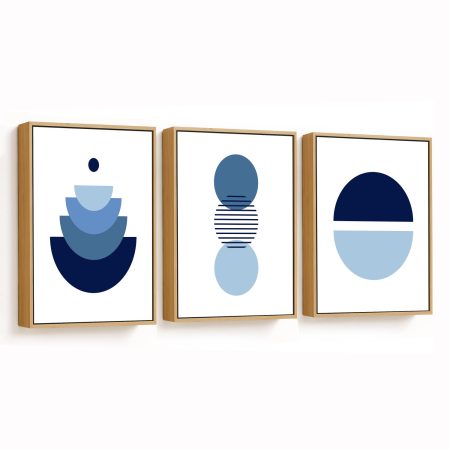
Simple shapes, thin lines, soft tones—perfect for modern minimalists.
Bold Geometric Patterns
Strong colours, sharp angles, high contrast—great for living rooms.
Abstract Geometric Art
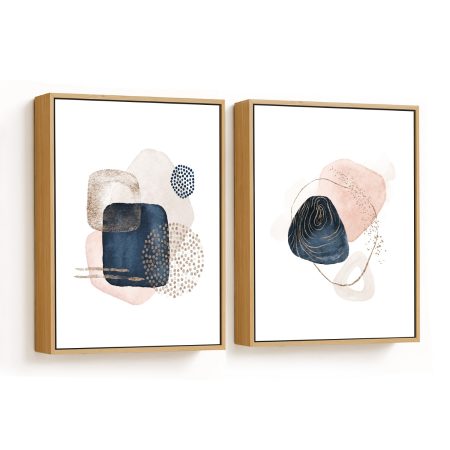
Combines geometric structure with fluidity, ideal for sophisticated spaces.
3D Geometric Wall Art
Layered materials, metal shapes, raised forms—adds depth and dimensionality.
Mandala-Inspired Geometry
Symmetrical Indian spiritual geometry blended with modern minimalism.
Scandinavian Geometry
Soft shapes, muted tones, clean lines—perfect for youthful or calm interiors.
Metallic Geometric Designs
Gold, bronze, copper elements for luxury settings.
5. Popular colours and moods in geometric designs
Black & White
Classic, bold, timeless—suits modern homes.
Gold & Metallics
Premium, luxurious—great for upscale interiors.
Blue Tones
Calm, structured, increasingly popular in Indian apartments.
Earthy Browns & Beiges
Warm, organic, perfect for spaces with wooden furniture.
Sage, Olive & Green Tones
Nature-inspired, soothing, and trendy in 2025.
Terracotta & Rust
Bold and earthy—works beautifully with boho and rustic themes.
6. Best rooms for geometric wall art
Living Room
Use bold or 3D geometric pieces for strong visual impact.
Bedroom
Soft geometric patterns or circular symmetry for calmness.
Dining Room
Metallic lines or muted geometric abstracts enhance sophistication.
Home Office
Structured lines and shapes to improve focus and clarity.
Hallways
Vertical geometric compositions elongate narrow corridors.
Kids’ Rooms
Fun, colourful shapes stimulate creativity without overwhelming.
7. Geometric wall art for different age groups
Children
Colourful shapes, circles, pattern play.
Teens
Bold geometric abstracts, aesthetic grids, neon-inspired geometry.
Adults
Minimal geometric artwork, metallic accents, balanced compositions.
Seniors
Soft, symmetrical, calming geometric patterns.
8. Indian cultural and architectural influences behind geometric patterns
Geometry has deep roots in Indian design:
- Temple jaali patterns (Mughal, Hindu, Jain architecture)
- Mandalas symbolizing the universe
- Rangoli/Kolam designs with symmetrical geometry
- Indigo and block-print patterns
- Traditional tile work from Rajasthan and Gujarat
These influences make geometric art culturally rich yet modern.
9. How to pair geometric wall art with furniture, décor, and lighting
Furniture Pairings
- Clean-lined sofas
- Wooden furniture
- Metal-legged tables
- Minimal coffee tables
Décor Pairings
- Simple vases
- Plain or subtly patterned cushions
- Indoor plants
- Concrete planters
Lighting
- Spotlights or track lighting highlight geometry’s shadows
- Warm lighting softens bold geometric lines
- Cool lights enhance metallic geometric designs
Balance is key: let geometric art be the focal point.
10. Interior styles that match well with geometric designs
Modern/Contemporary
Clean lines and structure match perfectly.
Scandinavian
Soft tones + minimal shapes = ideal pairing.
Industrial
Metal geometric art blends with raw textures.
Luxury Interiors
Gold-accented geometric patterns elevate richness.
Boho Modern
Earthy geometric tones complement layered, textured décor.
Traditional Indian
Mandalas and jaali-inspired geometry bridge tradition and modernism.
11. Installation and placement tips for geometric wall art
- Place larger geometric art at eye level behind sofas or beds.
- Choose central alignment for symmetrical art.
- Ensure vertical geometric works go on narrow walls.
- Avoid overcrowding geometric pieces—negative space enhances design.
- Frames in black, gold, or wood complement geometric themes.
12. Expert styling tips
- Use geometric art to visually organize chaotic spaces.
- Mix large geometric art with small, soft décor items.
- Match colours with rugs, cushions, or curtains for cohesion.
- Choose a single geometric statement piece for minimal interiors.
- Pair geometric art with textured walls or plain colours for contrast.
13. Why geometric wall art is trending in India
- Fits perfectly with compact, modern apartments
- Works with both light and dark Indian décor palettes
- Universally appealing across generations
- Easy to theme with furniture and soft décor
- Culturally familiar due to India’s historic geometric patterns
- Gives a high-design look with minimal effort
Geometric wall art offers structure, harmony, and sophistication—making it one of the strongest design choices for contemporary Indian homes.