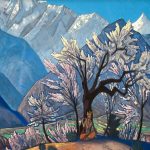
Landscape Wall Art by Design
Table of Contents
- What landscape wall art represents
- Why landscape art is universally loved
- Core characteristics of landscape-themed wall décor
- Types of landscape wall art
- Popular themes, moods, and visual styles
- Best colours used in landscape artwork
- Best rooms for landscape wall art
- Landscape art for different personalities and lifestyles
- Indian geographical and cultural influences in landscape artwork
- How to pair landscape wall art with furniture, décor, and lighting
- Interior styles that complement landscape wall art
- Installation and placement tips
- Expert styling tips
- Why landscape wall art enhances emotional wellbeing
1. What landscape wall art represents
Landscape wall art captures nature’s vastness—mountains, forests, rivers, deserts, fields, skies, and faraway horizons. It represents freedom, peace, adventure, and the beauty of the natural world. Landscape art creates depth, brings calm energy, and connects interiors with nature.
2. Why landscape art is universally loved
Landscape art has remained popular for centuries because:
- It brings nature indoors
- It creates illusion of depth in small spaces
- It has a calming, grounding effect
- It works with almost any décor style
- It evokes nostalgia, travel memories, and emotions
- It adds freshness and balance to rooms
Landscape art is timeless and emotionally powerful.
3. Core characteristics of landscape-themed wall décor
Landscape wall art typically includes:
- Natural scenery like mountains, forests, oceans, fields
- Emphasis on atmosphere and light
- Horizontal or panoramic composition
- Colours inspired by nature
- Emotional storytelling through environment
- A sense of movement (wind, water, light)
- Soft gradients and organic forms
Landscape art harmonizes realism, emotion, and beauty.
4. Types of landscape wall art
Mountain Landscapes
Majestic peaks, snowy ranges, trekking trails.
Forest Landscapes
Dense woods, misty mornings, sunlight filtering through trees.
Water Landscapes
Rivers, waterfalls, lakes, reflective surfaces.
Ocean & Beach Landscapes
Waves, sunsets, tropical views.
Countryside / Rural Landscapes
Fields, farms, huts, peaceful village paths.
Desert Landscapes
Sand dunes, golden horizons, minimal earthy tones.
Sky / Cloud Landscapes
Dreamy sunrises, dramatic skies, pastel clouds.
Aerial / Panoramic Landscapes
Bird’s-eye views of valleys, oceans, and cityscapes.
Abstract Landscape Art
Nature simplified into shapes, colours, and mood rather than realism.
Landscape art can be expansive, intimate, dramatic, or peaceful depending on subject and style.
5. Popular themes, moods, and visual styles
Themes
- Adventure and exploration
- Calmness and quiet moments
- Wanderlust and distant memories
- Nature’s rhythm
- Change of seasons
- Reflection and solitude
Moods
- Peaceful
- Refreshing
- Nostalgic
- Inspiring
- Mysterious
- Romantic
Visual Styles
- Realistic
- Impressionistic
- Minimalist
- Watercolour
- Earthy rustic
- Contemporary modern
- Abstracted nature
Landscape art speaks to every mood and personality.
6. Best colours used in landscape artwork
Blues
For oceans, skies, mountains—calming and expansive.
Greens
Forests and fields—grounding and refreshing.
Earth Tones
Browns, beiges, and terracotta—warm and rustic.
Pastels
Soft skies, dreamy horizons—perfect for bedrooms.
Neutrals
Black-and-white landscapes for modern spaces.
Sunset Tones
Orange, gold, pink—romantic and expressive.
Different palettes shape the emotional tone of the artwork.
7. Best rooms for landscape wall art
Living Room
Panoramic landscapes become stunning focal points.
Bedroom
Soft horizons or misty forests create relaxation.
Dining Room
Warm countryside scenes add comfort and charm.
Study / Home Office
Mountain or lake landscapes enhance focus and calm.
Entryway
A serene landscape sets a welcoming tone.
Hallways
Vertical or slim landscapes add flow and direction.
Landscape art adapts everywhere, depending on mood and colour.
8. Landscape art for different personalities and lifestyles
The Adventurer
Mountains, deserts, dramatic skies.
The Nature Lover
Forests, lakes, lush greenery.
The Romantic
Sunsets, misty fields, pastel skies.
The Minimalist
Soft, abstract landscapes with muted tones.
The Dreamer
Cloudy horizons, surreal landscapes.
The Traditionalist
Warm rural scenes and nature realism.
Landscape art mirrors the soul of the viewer.
9. Indian geographical and cultural influences in landscape artwork
India’s landscapes offer diverse inspiration:
Himalayan Landscapes
Snow-capped peaks, pine forests, valleys.
Kerala Backwaters
Lush greenery, palm reflections, tranquil waters.
Rajasthan Deserts
Golden dunes, camel silhouettes, sunset tones.
Northeastern Hills
Misty mountains, monsoon scenery.
Goa & Coastal India
Palm-lined beaches, dreamy ocean horizons.
Rural India
Fields, banyan trees, village paths, pastoral calm.
Varanasi Ghats
Riverfront scenes with sunrise light.
Indian landscapes bring emotional depth rooted in culture and memory.
10. How to pair landscape wall art with furniture, décor, and lighting
Furniture
- Wooden furniture complements natural scenes
- Neutral sofas let landscapes stand out
- Cane and rattan pair well with tropical or rural themes
- Modern minimal furniture suits abstract landscapes
Décor
- Plants enhance natural synergy
- Ceramics and terracotta pieces
- Neutral cushions and textured fabrics
- Jute, cotton, linen, or organic accents
Lighting
- Warm lighting deepens sunset and earthy tones
- Cool lighting enhances mountains and water scenes
- Picture lights elevate premium landscape pieces
- Natural light brings landscapes to life
Lighting dramatically changes the artwork’s mood.
11. Interior styles that complement landscape wall art
Scandinavian
Soft, natural landscapes with gentle tones.
Modern
Crisp abstract or minimal landscapes.
Rustic
Earthy countryside artwork.
Boho
Nature-inspired, colourful landscapes.
Japandi
Muted, peaceful nature scenes.
Traditional Indian
Rural landscapes, monsoon themes, river scenes.
Landscape art integrates seamlessly with nearly every style.
12. Installation and placement tips
- Use large landscapes as the main focal point
- Hang at eye level for immersive experience
- Keep frames simple (black, wood, or metal)
- Leave negative space around the artwork
- Use horizontal pieces above sofas and beds
- Use vertical landscapes in tight spaces
Correct placement maximizes emotional and visual impact.
13. Expert styling tips
- Match the artwork’s colour tones with cushions or décor
- Add greenery for a cohesive natural theme
- Keep surroundings neutral to highlight the scenery
- Use landscape art to balance rooms lacking windows
- Mix one bold landscape with smaller minimal pieces
- For a gallery wall, stay within one colour mood
Landscape art should feel immersive and harmonious.
14. Why landscape wall art enhances emotional wellbeing
- It reduces stress and promotes relaxation
- It evokes memories of travel, nature, and peace
- It makes rooms feel bigger and brighter
- It brings natural balance and grounding energy
- It works for all ages and interior styles
- It adds beauty that never goes out of trend
Landscape wall art transforms any room into a serene escape, connecting your home to the calm and majesty of nature.