Impressionism Wall Art by Design
Table of Contents
- What impressionism wall art represents
- Why impressionist wall art remains timeless and beloved
- Core characteristics of impressionism in wall décor
- Types of impressionist wall art
- Popular themes, moods, and visual styles
- Best colours used in impressionist artwork
- Best rooms for impressionism wall art
- Impressionist art for different personalities and lifestyles
- Indian artistic and cultural parallels to impressionism
- How to pair impressionist wall art with furniture, décor, and lighting
- Interior styles that complement impressionist wall art
- Installation and placement tips
- Expert styling tips
- Why impressionism wall art adds softness, movement, and emotional depth
1. What impressionism wall art represents
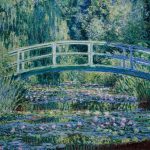
Impressionism wall art captures fleeting moments, light, atmosphere, and emotion rather than perfect detail. It emphasizes brushstrokes, colour, and mood—bringing dreamy softness, movement, and painterly charm to interiors. Impressionist art feels alive, expressive, and deeply emotional.
2. Why impressionist wall art remains timeless and beloved
Impressionism is one of the most admired art styles because:
- It creates a warm, inviting mood
- It blends realism with artistic imagination
- It adds vibrancy without overwhelming
- It works with both modern and traditional décor
- It softens rigid, minimal interiors
- It brings romance and movement into the room
Its emotional warmth makes it ideal for welcoming, comfortable homes.
3. Core characteristics of impressionism in wall décor
Impressionist wall art often features:
- Visible, textured brushstrokes
- Soft blending of colours
- Natural light and atmosphere
- Dreamy, imperfect realism
- Movement (wind, water, light, foliage)
- Pastels mixed with bold colour moments
It is art that celebrates life’s fleeting beauty.
4. Types of impressionist wall art
Landscape Impressionism
Soft meadows, misty mornings, lakes, forests, and rivers.
Floral Impressionism
Loose, expressive flowers—roses, lilies, wild blooms.
Urban Impressionism
City scenes, cafés, rainy streets, European charm.
Figurative Impressionism
Human silhouettes painted softly with emotion.
Seascapes & Skies
Waves, sunsets, clouds, shimmering reflections.
Abstract Impressionism
Colourful, atmospheric, expressive forms.
Nature-Focused Impressionism
Trees, gardens, seasons, monsoon-inspired moods.
Each type adds a unique emotional texture to interiors.
5. Popular themes, moods, and visual styles
Themes
- Nature’s poetry
- Romantic atmospheres
- Rain and mist
- Changing light
- City nostalgia
- Spring blossoms
- Peaceful horizons
Moods
- Dreamy
- Romantic
- Serene
- Nostalgic
- Fresh
- Warm
- Reflective
Visual Styles
- Soft gradients
- Layered brushstrokes
- Pastel with bold pops
- Textured impressions
- Light and shadow play
Impressionism excels in emotional storytelling.
6. Best colours used in impressionist artwork
Pastels
Soft peach, blush, lavender, powder blue.
Blues & Greens
For calming landscapes and water reflections.
Earth Tones
Warm ochres, browns, muted golds.
Bright Highlights
Yellows, reds, or pinks for expressive moments.
Monsoon & Misty Palettes
Greys, sage tones, cool blues.
Colour choices define the mood of each impressionist piece.
7. Best rooms for impressionism wall art
Living Room
Large impressionist landscapes or florals for a welcoming feel.
Bedroom
Soft pastels, dreamy skies, gentle nature scenes.
Dining Room
Warm urban or floral impressionist art.
Hallways & Entryways
Bright, expressive pieces that create mood instantly.
Study Room
Calming landscapes aid concentration and mental peace.
Kids’ Rooms
Soft florals or gentle nature impressionism.
Impressionism fits any room seeking warmth, depth, and beauty.
8. Impressionist art for different personalities and lifestyles
The Romantic
Dreamy florals, sunsets, city nights in rain.
The Nature Lover
Soft landscapes, lakes, forests.
The Minimalist (Soft Style)
Pastel impressionist abstracts.
The Traveller
European cityscapes, cafés, nostalgic pathways.
The Emotional Soul
Bold colour impressionist brushstrokes.
The Calm-Seeker
Misty horizons and gentle nature themes.
Impressionism connects to personal emotion more than any other style.
9. Indian artistic and cultural parallels to impressionism
India has many art forms that complement impressionist principles:
- Watercolour-style Indian landscapes
- Monsoon-inspired scenes across Kerala, Assam, and Uttarakhand
- Impressionistic reinterpretations of Indian flora—lotus, marigold, gulmohar
- Soft Rajasthani dunes and sunset palettes
- Bengal school of art’s atmospheric watercolour influence
- Kashmir valley landscapes with dreamy tones
- Spiritual impressionism using light, aura, and subtle hues
Indian scenery softens beautifully when painted impressionistically.
10. How to pair impressionist wall art with furniture, décor, and lighting
Furniture
- Light or medium wood enhances natural tones
- Beige, cream, and pastel sofas complement soft palettes
- Cane and rattan give warmth to floral impressionism
- Modern minimal furniture balances expressive artwork
Décor
- Linen and cotton textiles
- Ceramic vases and planters
- Soft-coloured cushions
- Botanical elements for harmony
- Gold or brass frames for a premium finish
Lighting
- Warm diffused light makes brushstrokes glow
- White lighting enhances pastel tones
- Picture lights elevate premium impressionist pieces
- Natural light brings out depth and reflections
Lighting enhances the dreamlike quality of impressionism.
11. Interior styles that complement impressionist wall art
Modern
Softens the edges of clean contemporary interiors.
Scandinavian
Pastels and nature themes pair beautifully.
Boho
Free-flowing colour and organic themes align perfectly.
Luxury
Gold frames and rich impressionist palettes elevate luxury spaces.
Rustic
Warm nature-based impressionism matches organic materials.
Indian Contemporary
Merges Indian landscapes with modern impressionist techniques.
Impressionism adapts effortlessly across design styles.
12. Installation and placement tips
- Choose large pieces for living rooms and bedrooms
- Use slim gold, black, or natural-wood frames
- Leave enough negative space to let colours breathe
- Hang at eye level to absorb the artwork’s depth
- Pair 2–3 coordinated impressionist pieces for gallery walls
Placement should allow viewers to feel immersed.
13. Expert styling tips
- Pull accent colours from the artwork into cushions or décor
- Use soft textures—linen, jute, cotton—to match impressionist warmth
- Don’t overcrowd the wall; let the art stay the hero
- For bold impressionist art, keep furniture neutral
- For pastel impressionism, add soft lighting to enhance ambience
Well-styled impressionist art creates a poetic, serene atmosphere.
14. Why impressionism wall art adds softness, movement, and emotional depth
- It softens rigid interiors with fluid, expressive beauty
- It brings calming natural energies indoors
- It evokes mood, memory, and emotion
- It blends realism and imagination
- It creates warmth without overpowering décor
- It appeals to all ages and styles
Impressionism wall art transforms rooms into gentle, expressive, emotionally rich spaces—perfect for homes that love beauty, nature, and light.