Illustration Wall Art by Design
Table of Contents
- What illustration wall art represents
- Why illustrated art is gaining popularity in modern homes
- Core characteristics of illustration-style wall art
- Types of illustration wall art
- Popular themes, moods, and styles
- Best rooms for illustration wall art
- Illustration art for different age groups
- Indian artistic influences in illustration wall décor
- How to pair illustration wall art with furniture, décor, and lighting
- Interior styles that complement illustration art
- Installation and placement tips
- Expert styling tips
- Why illustration wall art feels timeless and expressive
1. What illustration wall art represents
Illustration-based wall art focuses on storytelling, visual charm, character, and creativity. It simplifies complex ideas into expressive lines, shapes, and colours. Whether whimsical, minimal, detailed, or conceptual, illustration art offers emotional warmth and personality to any space.
2. Why illustrated art is gaining popularity in modern homes
Illustration wall art feels approachable, aesthetic, and universal. It fits easily with modern décor trends because:
- It balances simplicity with character
- It works for both minimal and bold interiors
- It suits all age groups—kids to adults
- It offers endless stylistic variety
- It blends beautifully with contemporary and traditional furniture
- It creates a unique visual identity for each room
In small or large spaces, illustration art adds friendliness and charm without overwhelming the décor.
3. Core characteristics of illustration-style wall art
Illustration art often features:
- Clean or expressive line work
- Simplified characters or forms
- Soft, cohesive colour palettes
- Story-driven visuals
- Minimal or detailed styles
- Playful, emotional tones
- Graphic elements that feel handcrafted
The beauty of illustration lies in its versatility and imaginative freedom.
4. Types of illustration wall art
Minimal Line Illustrations
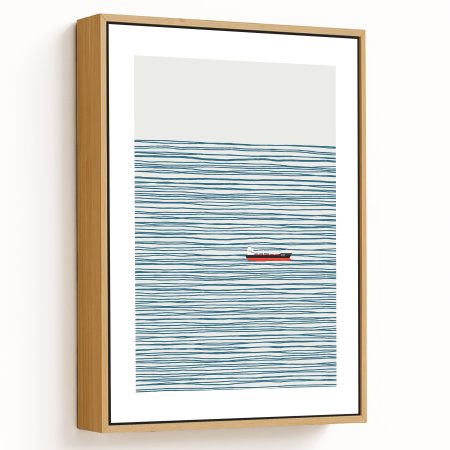
Faces, florals, animals, or silhouettes drawn in pure form.
Detailed Character Illustrations
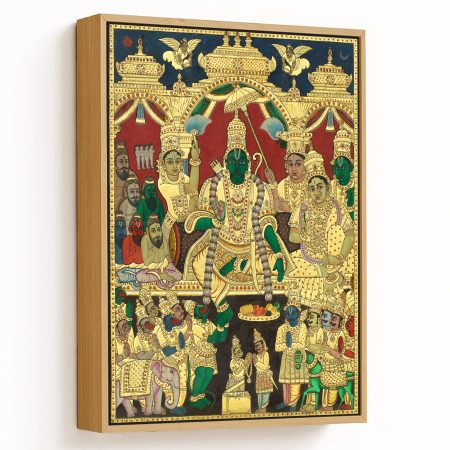
Whimsical, narrative-driven art—great for storytelling spaces.
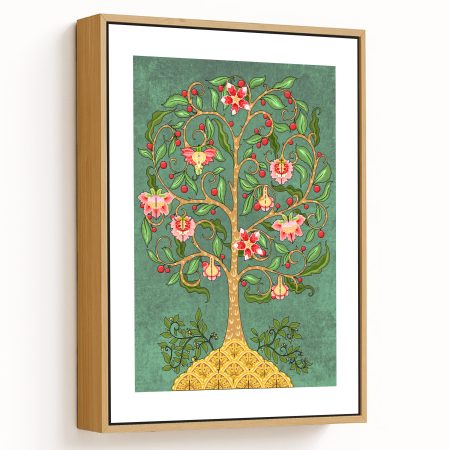
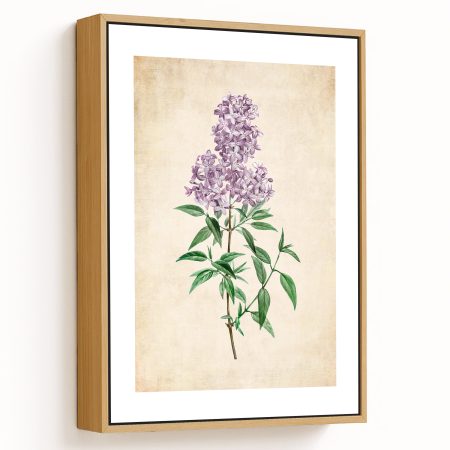
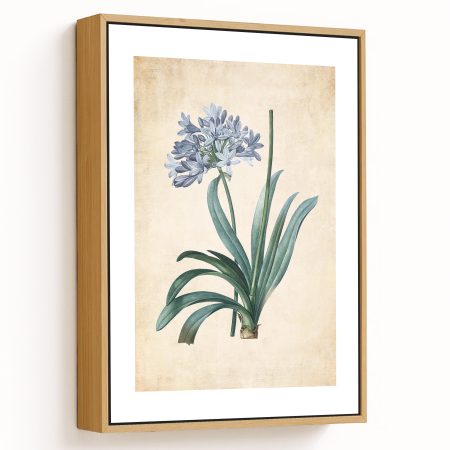
Botanical & Nature Illustrations
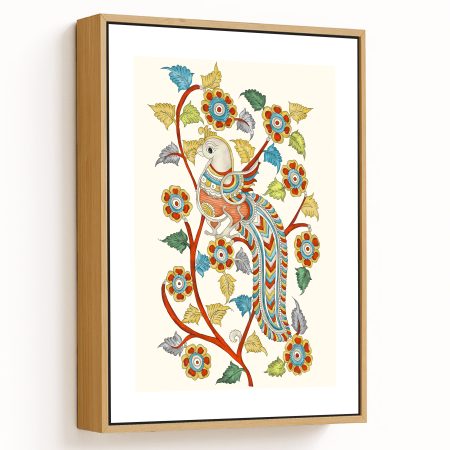
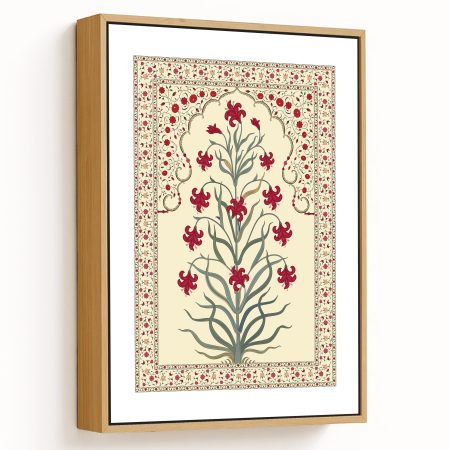
Hand-drawn leaves, flowers, birds, forests.
Architectural Illustrations
Stylized homes, cityscapes, monuments, windows.
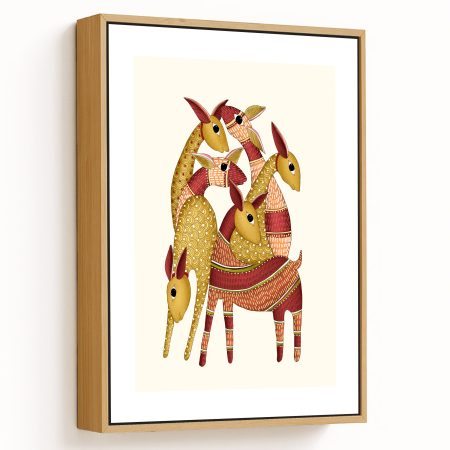
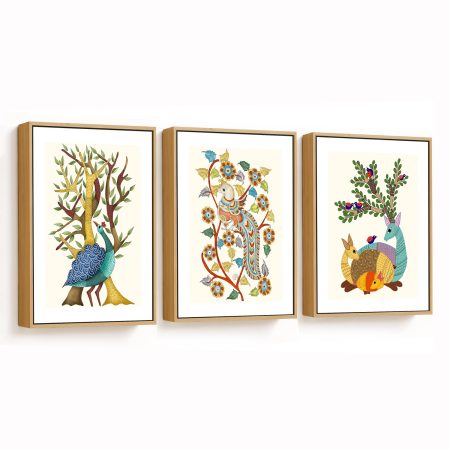
Folk-Style Illustrations
Inspired by tribal, cultural, or craft-based drawing styles.
Abstract Illustrative Art
Soft shapes, playful curves, dreamy compositions.
Kids’ Illustration Art
Cute animals, fantasy worlds, pastel story scenes.
Mixed Media Illustrations
Line work combined with textures, colours, or digital gradients.
Illustration is one of the widest design categories—there’s something for every space.
5. Popular themes, moods, and styles
Themes
- Human faces & expressions
- Plants, flowers, and nature
- Abstract stories and emotions
- Animals and birds
- Everyday life scenes
- Travel and city imagery
- Fantasy characters
Moods
- Calm
- Playful
- Dreamy
- Minimal
- Romantic
- Whimsical
- Energetic
Styles
- Scandinavian minimal
- Boho-inspired illustration
- Cartoon-style whimsical
- Line-based modern art
- Retro and vintage illustration
- Watercolour-inspired digital illustration
The variety makes illustration art extremely adaptable.
6. Best rooms for illustration wall art
Living Room
Minimal line art, contemporary illustration, architectural sketches.
Bedroom
Soft botanical illustrations, dreamy characters, calming line art.
Kids’ Rooms
Cute illustrated animals, colourful story scenes, educational art.
Dining Room
Botanical or food-inspired illustrations.
Study Room
Motivational line art, clean minimal illustrations.
Hallways & Entryways
Bold monochrome illustration or quirky character art.
Illustration brings personality wherever it's placed.
7. Illustration art for different age groups
Kids
Playful animals, pastel story scenes, colourful concepts.
Teens
Trendy minimal faces, aesthetic line drawings, expressive illustrated characters.
Adults
Botanicals, abstract illustration, modern line art, conceptual visuals.
Seniors
Calming, nostalgic, or nature-inspired illustrated themes.
Each age group connects to illustration differently—but universally.
8. Indian artistic influences in illustration wall décor
Illustration blends beautifully with Indian themes:
- Hand-drawn lotus, peacock, elephant illustrations
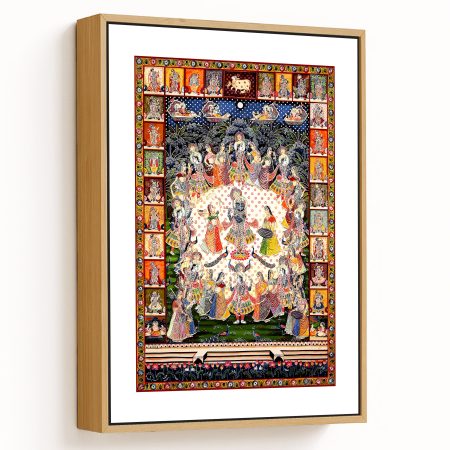
- Modern reinterpretations of Madhubani and Gond line styles
- Indian architectural sketches (havelis, ghats, temples)
- Botanical illustrations inspired by Indian flora
- Indian festival or cultural symbol illustrations
- Storytelling art reminiscent of folktales
The fusion of modern illustration with Indian sensibilities creates warm, meaningful décor.
9. How to pair illustration wall art with furniture, décor, and lighting
Furniture Pairing
- Cane and rattan furniture complements botanical illustrations
- Modern minimal sofas suit line art and abstract illustrations
- Wooden furniture blends well with folk or architectural illustrations
- Pastel furniture pairs nicely with Scandinavian-style illustrations
Décor Pairing
- Indoor plants
- Linen and cotton textiles
- Ceramic pots and vases
- Neutral rugs
- Brass or matte-black decorative pieces
Lighting
- Soft warm lighting for line art
- Spotlights for highly detailed illustrations
- Natural light for botanical illustrations
- Wall-mounted picture lights for premium presentation
Illustration art thrives with gentle, intentional lighting.
10. Interior styles that complement illustration art
Scandinavian
Minimal line art, soft botanicals.
Bohemian
Whimsical characters, hand-drawn florals.
Modern
Geometric illustrative abstractions.
Contemporary
Clean graphics, conceptual illustration.
Rustic
Earthy botanical or folk-style illustrations.
Kids’ Interior Themes
Pastel illustrations, playful graphics.
Indian Contemporary
Hand-drawn Indian motifs reimagined modernly.
Illustration enhances both minimal and richly layered interiors.
11. Installation and placement tips
- Hang at eye level for maximum impact
- Choose one hero illustration per wall
- Use black, wooden, or pastel frames depending on décor
- Leave breathing space around minimal illustration art
- For gallery walls, maintain consistent spacing and theme
- Avoid overly bright backgrounds that overpower the illustration
Correct placement makes even the simplest illustrated art feel premium.
12. Expert styling tips
- Match artwork colours with cushions or decor pieces
- Mix minimal illustrations with textured décor for depth
- Combine illustrated prints with 3D sculpture for a modern layered effect
- Use pastel or natural walls behind line art
- Keep frames slim and elegant
- Let illustrated art complement the personality of the room—not dominate it
Illustration art feels best when styled with warmth and subtlety.
13. Why illustration wall art feels timeless and expressive
- It conveys stories and emotion effortlessly
- Fits both minimal and maximal homes
- Works well across all age groups
- Adds personality without intimidating the décor
- Blends global aesthetics with Indian cultural elements
- Makes spaces feel warm, creative, and visually engaging
Illustration wall art brings character, charm, and artistic vibrance to every corner of a home.