Figurative Wall Art by Design
Table of Contents
- What figurative wall art represents
- Why figurative art is popular in modern homes
- Core characteristics of figurative wall art
- Types of figurative wall art
- Popular themes, moods, and colour palettes
- Best rooms for figurative wall art
- Figurative art for different age groups
- Indian cultural and artistic influences in figurative artwork
- How to pair figurative wall art with furniture, décor, and lighting
- Interior styles that complement figurative artwork
- Installation and placement tips
- Expert styling tips
- Why figurative art adds depth and personality to any space
1. What figurative wall art represents
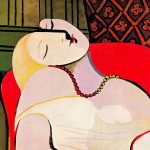
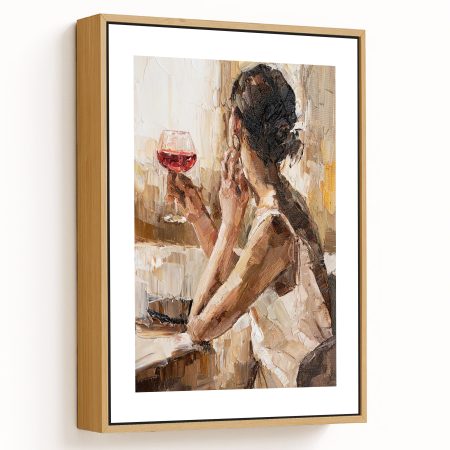
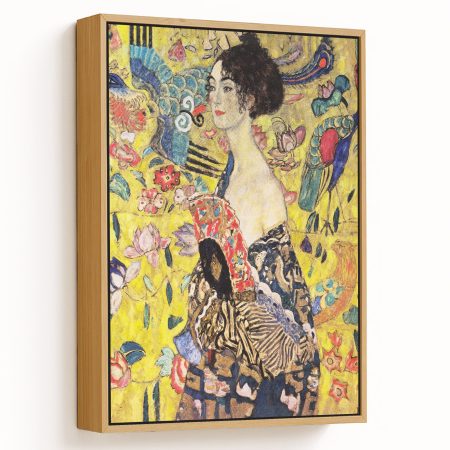
Figurative wall art depicts the human form—faces, silhouettes, body posture, emotion, and movement. It can be realistic, abstract, minimal, romantic, expressive, or symbolic. Figurative art captures humanity in its raw, beautiful, and relatable form, making it emotionally powerful décor.
2. Why figurative art is popular in modern homes
Figurative art connects deeply with people because:
- It expresses identity and emotion
- It adds sophistication and storytelling
- It suits modern, luxury, and minimal interiors
- It creates focal points that are both artistic and intimate
- It brings warmth and personality to neutral spaces
Figurative art feels modern yet timeless—perfect for today’s aesthetic homes.
3. Core characteristics of figurative wall art
Figurative art commonly features:
- Human silhouettes or facial expressions
- Gestures, poses, or body language
- Clean line work or expressive brush strokes
- Emotional storytelling
- Symbolic forms
- Mixed realism and abstraction
It balances visual beauty with emotional meaning.
4. Types of figurative wall art
Minimalist Figures
Simple line drawings of faces, bodies, or gestures.
Abstract Figurative Art
Distorted forms, emotional expressions, fluid shapes.
Realistic Figurative Art
High-detail portraits, human anatomy, or character-driven visuals.
Modern & Contemporary Figurative Art
Bold colours, graphic shapes, stylised human forms.
Expressive Figurative Art
Energetic strokes, dynamic movement, emotional intensity.
Romantic Figurative Art
Couple silhouettes, intimate poses, soft emotional tones.
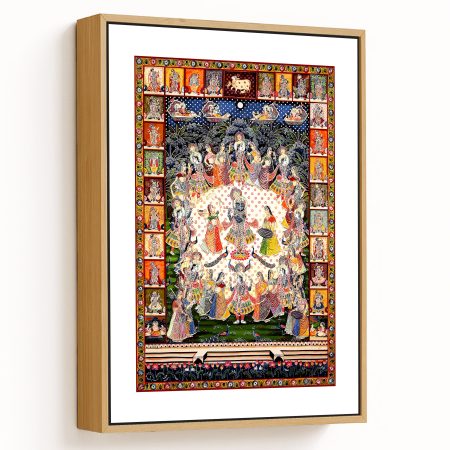
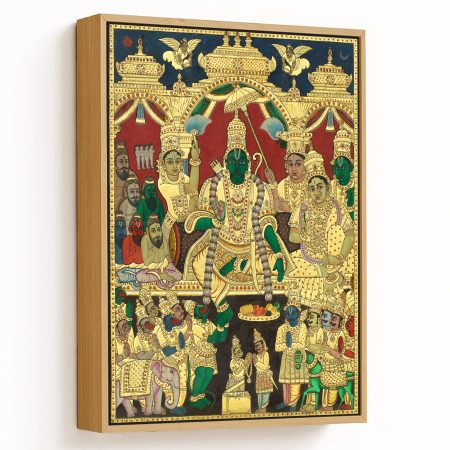
Cultural Figurative Art
Human forms inspired by folk traditions or Indian classical aesthetics.
Figurative Fine Art
Gallery-style compositions reflecting depth, mood, and craft.
Figurative art spans everything from elegant minimalism to dramatic expressionism.
5. Popular themes, moods, and colour palettes
Themes
- Love and connection
- Female form and beauty
- Dance and movement
- Solitude and reflection
- Cultural identity
- Emotion and energy
- Abstracted human stories
Moods
- Romantic
- Poetic
- Calm
- Dramatic
- Mysterious
- Artistic
- Fashion-inspired
Colour Palettes
- Black & white minimal
- Warm neutral tones (beige, tan, cream)
- Gold and metallic accents
- Earthy terracotta
- Pastel blush tones
- Deep blues and rich jewel tones
The theme sets the story; the palette sets the mood.
6. Best rooms for figurative wall art
Living Room
Large figurative pieces create strong focal points.
Bedroom
Romantic or minimal figurative art enhances intimacy and calm.
Dining Room
Stylised figures and abstract portraits add elegance.
Hallway
Slim, vertical figurative compositions feel sophisticated.
Study Room
Minimal line-based figurative art boosts focus and clarity.
Dressing Room or Walk-In Closet
Fashion-inspired figurative art adds style and personality.
Figurative art works effortlessly across major areas of the home.
7. Figurative art for different age groups
Teens
Trendy line faces, aesthetic pastel portraits.
Young Adults
Fashion illustration, modern figurative abstractions.
Couples
Romantic silhouettes, expressive couple art.
Adults
Sophisticated minimal or expressive figurative pieces.
Seniors
Calm, gentle figurative works focusing on serenity and wisdom.
Figurative design adapts based on emotional and aesthetic preferences.
8. Indian cultural and artistic influences in figurative artwork
India’s figurative art heritage is rich and diverse:
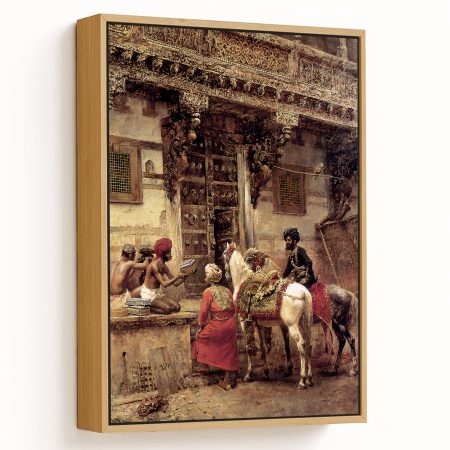
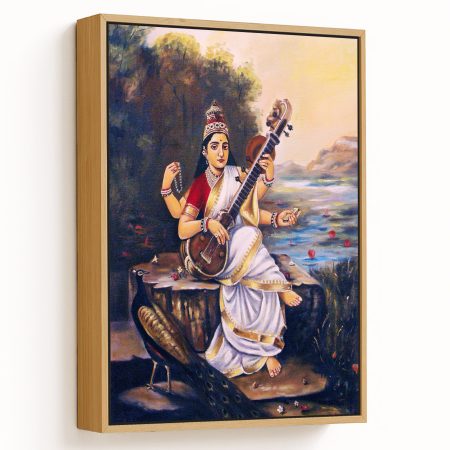
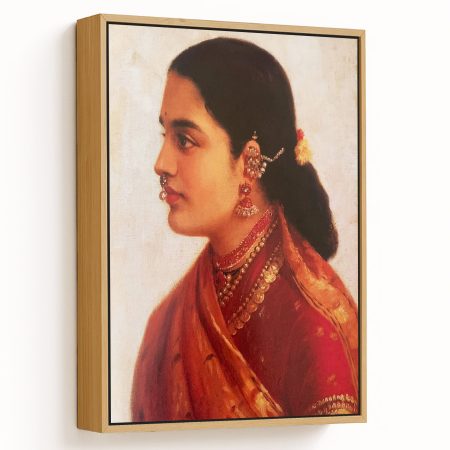
- Raja Ravi Varma’s classical mythological figures
- Mughal miniature characters
- Indian classical dance poses (Bharatanatyam, Kathak)
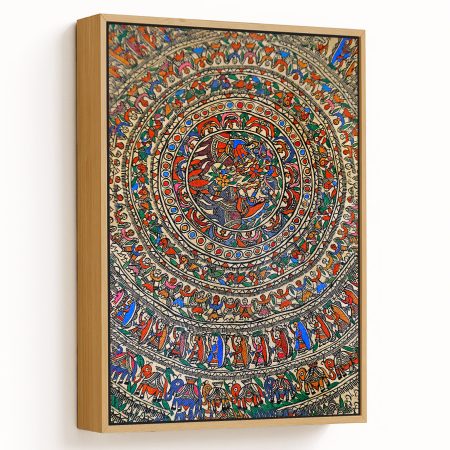
- Tribal figurative styles like Warli
- Contemporary Indian figurative abstraction
- Folk tales and goddess forms interpreted subtly
Figurative art with Indian influence feels deeply rooted and culturally resonant.
9. How to pair figurative wall art with furniture, décor, and lighting
Furniture Pairing
- Minimal line art pairs with Scandinavian or modern furniture
- Expressive figurative art suits rustic or industrial settings
- Romantic figurative art pairs with upholstered or soft elements
- Cultural figurative art blends beautifully with wood and brass
Décor
- Neutral cushions to soften strong portraits
- Gold or black frames for sophistication
- Plants for balance
- Sculptures to complement the human theme
Lighting
- Warm lighting enhances skin tones and emotional expression
- Spotlights or picture lights for large figurative artworks
- Soft diffused lighting for romantic silhouettes
Good lighting brings figurative art alive.
10. Interior styles that complement figurative artwork
Modern
Monochrome portraits or simplified figures.
Contemporary
Stylised or expressive figurative pieces.
Scandinavian
Minimal line art and soft-toned figurative prints.
Boho
Earthy, expressive, free-flowing figurative visuals.
Luxury
Gold-accented portraits, fine-art silhouettes.
Industrial
Bold, dynamic figurative compositions.
Rustic
Folk-inspired or earth-toned figurative art.
Figurative art integrates easily across styles because it is emotional and universal.
11. Installation and placement tips
- Hang artwork at eye level for strongest emotional impact
- Use larger pieces above sofas or beds
- Keep enough negative space to avoid crowding
- For gallery walls, keep figurative pieces consistent in tone
- Vertical figurative art works best in narrow wall sections
- Choose frames that enhance the artwork, not overpower it
Placement shapes emotional flow and visual balance.
12. Expert styling tips
- Match the colour palette to cushions, rugs, or décor items
- Use warm lighting to make figurative art feel intimate
- Combine minimal figurative art with textured décor for balance
- Keep the art as the hero—avoid too many competing visuals
- For romantic rooms, choose soft silhouettes or warm tones
- For modern rooms, pick monochrome or contemporary figures
Styling determines whether figurative art looks elegant or overpowering.
13. Why figurative art adds depth and personality to any space
- It humanises interiors with emotion and warmth
- It tells a story—of identity, love, spirituality, or expression
- It creates high visual impact
- It suits almost every décor theme
- It connects visually and emotionally with viewers
- It elevates interiors from decorative to artistic
Figurative wall art offers beauty, soul, and narrative richness—making any room feel more meaningful and alive.