Vertical Wall Art
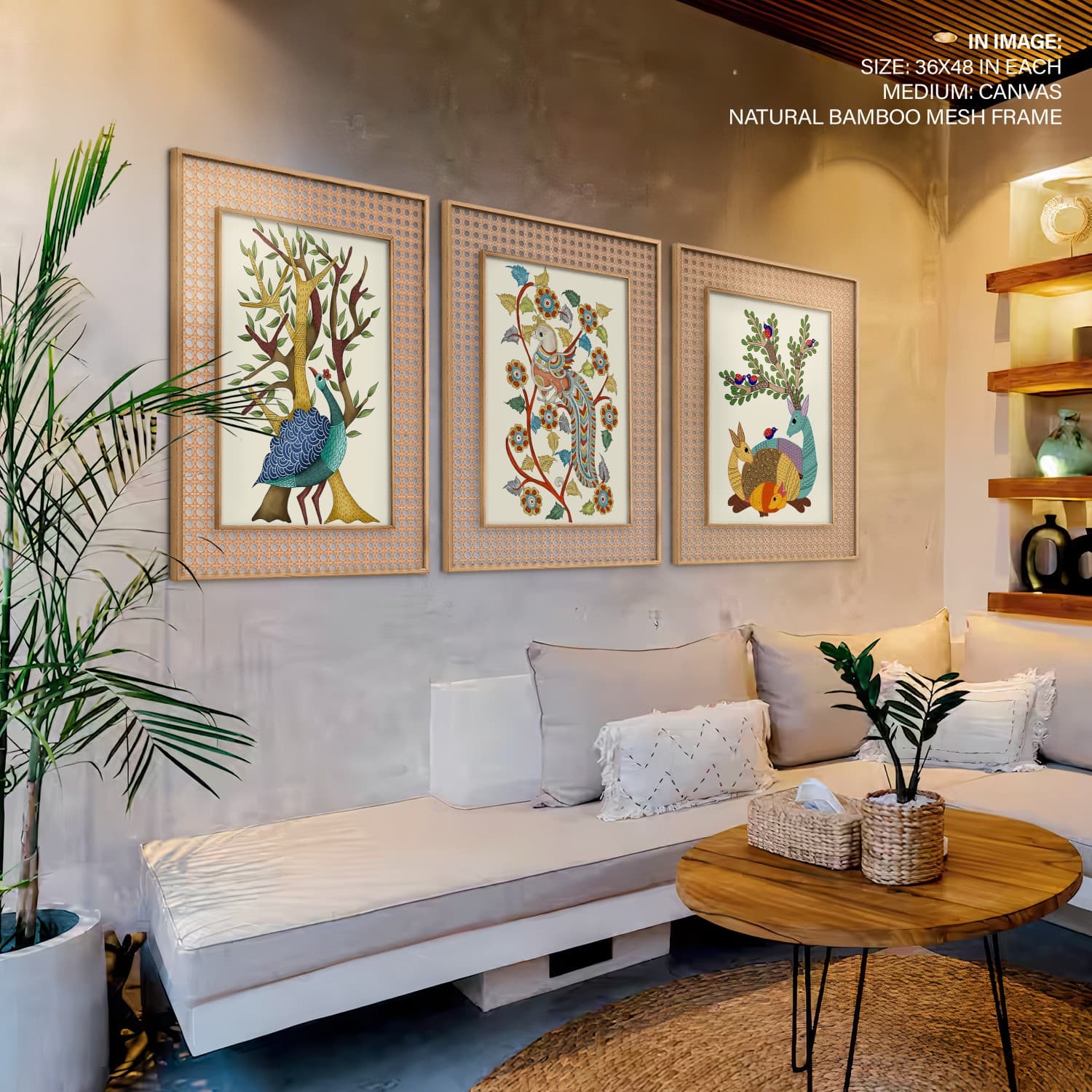
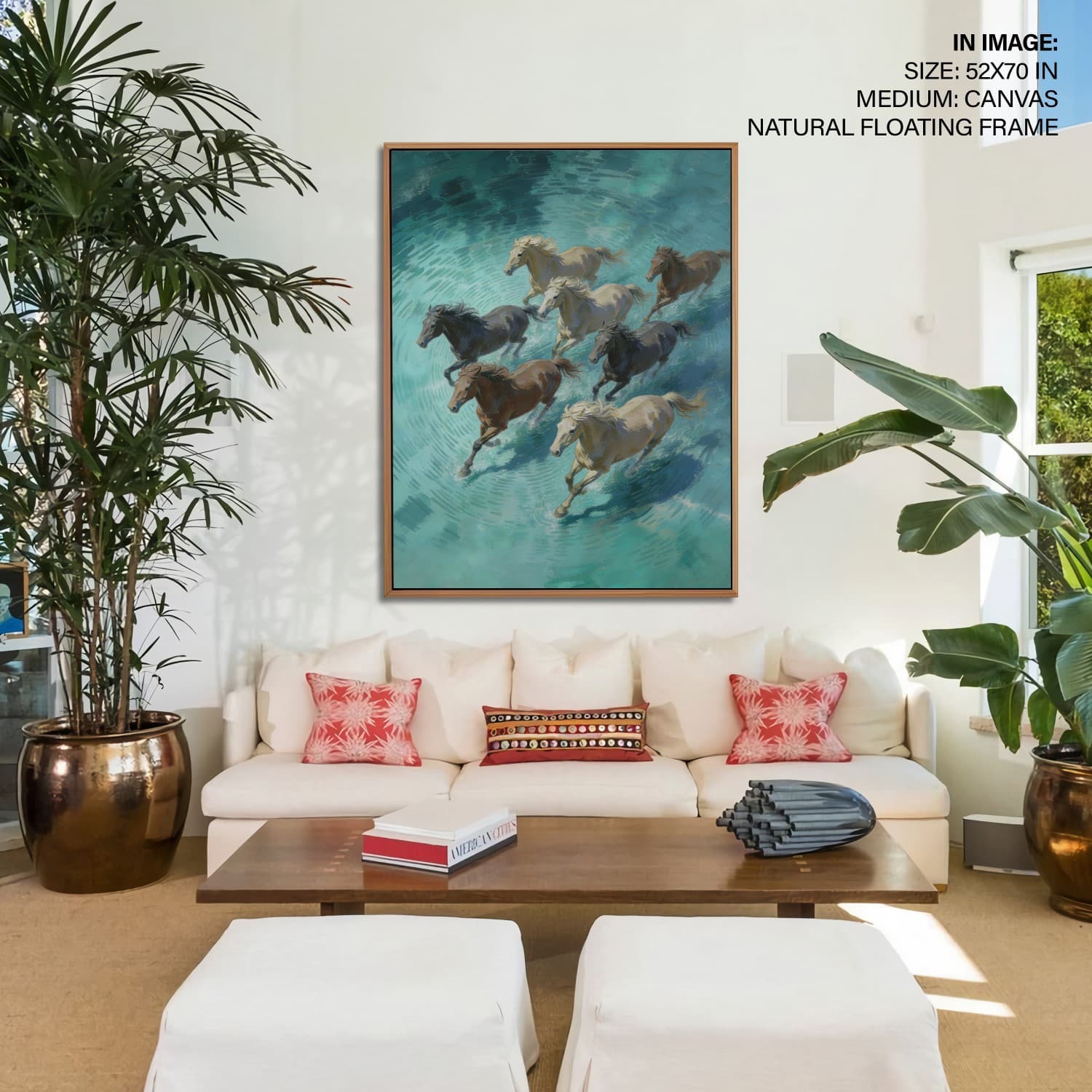
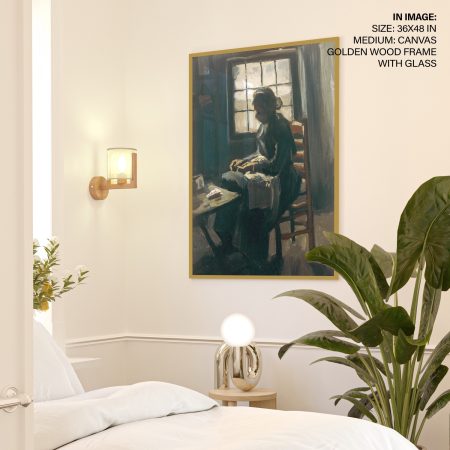
Vertical wall art fits the walls a horizontal piece cannot hold. Think of the narrow stretch beside a door, a corridor, or the rise of a stairwell. Everything on this page is taller than it is wide. Styles run from minimalist script and abstract colour studies to classical Indian portraiture, soft landscapes and botanical work. Each print is made and hand-framed after you order, in the size you choose.
5,000 products

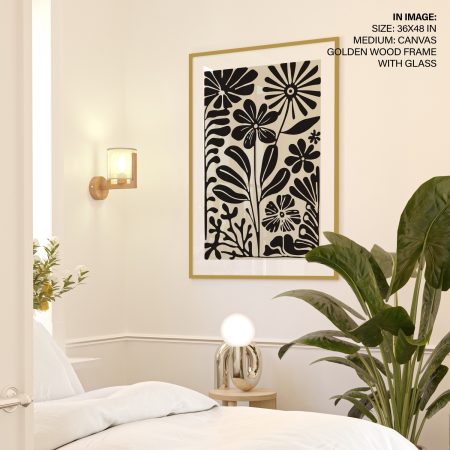


Vertical wall art and why the shape works
Vertical wall art is any piece taller than it is wide, and the proportion does real work in a room. A tall frame draws the eye upward, which makes a low ceiling feel higher. It also solves awkward walls. Where a wide landscape print would crowd a narrow stretch of plaster, a vertical one sits comfortably with margin on either side.
What is in this collection
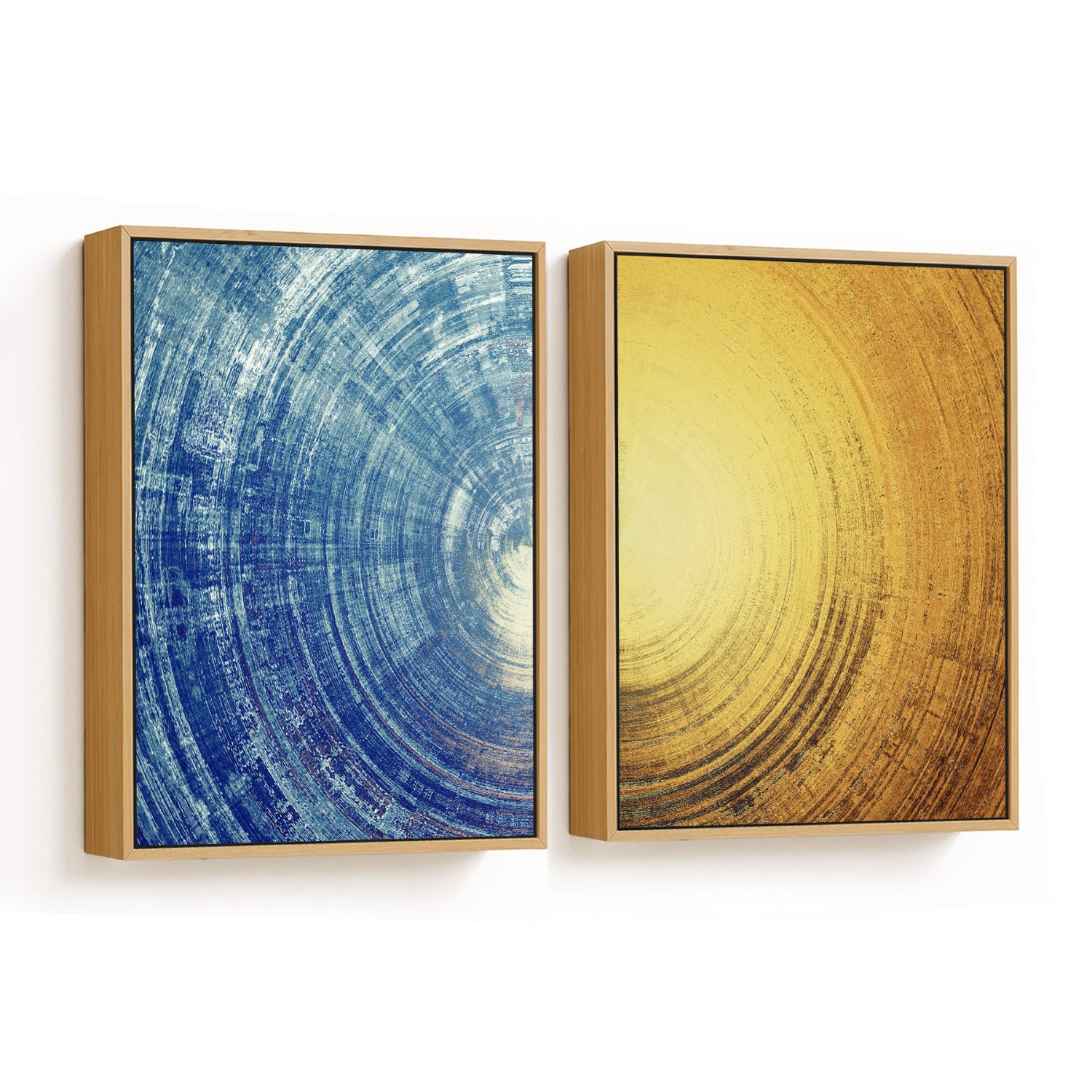
The vertical wall art on this page spans several traditions. There are minimalist typographic prints in black on white, abstract studies in blue and gold, and warm sun-and-sky landscapes. Classical Indian portraiture appears alongside folk painting, Art Deco geometry, botanical studies and quiet contemporary abstracts. Palettes cover muted neutrals, deep jewel colours, pale washed tones and high-contrast black and white. Formats include standard portrait sizes and very long narrow panels that read almost like scrolls.
Where vertical wall art works at home
Corridors are the obvious home for these prints, since you pass them at close range. A stairwell suits one tall frame, or a pair hung in a stepped line. The wall beside a doorway, the strip between two windows and the space above a console table all take a vertical print well. In a bedroom, one on either side of the bed frames the headboard neatly.
Choosing the size
Measure the wall first and leave breathing room around the frame. Filling roughly two thirds of the available width reads well, with the centre of the piece at eye level. For a wall under two feet across, choose a slim panel. Above a sofa or bed, a taller print in a bigger size holds the space better.
Vertical wall art: common questions
Where does vertical wall art work best?
Narrow walls where a wide frame would crowd: beside a doorway, between two windows, along a corridor, above a console, or up the rise of a stairwell. A pair either side of a bed also frames a headboard neatly without needing a single large piece.
Does a tall painting make a room look bigger?
It makes a ceiling feel higher. The eye follows the long edge upward, which lifts a low room. That is why tall formats suit apartments and corridors, where the walls are close and the ceiling is the dimension worth exaggerating.
What size vertical print fits a narrow wall?
Fill about two thirds of the available width and leave clear plaster on either side. For a wall under two feet across, choose a slim panel rather than a standard portrait size. Centre the piece at eye level, roughly 145 cm from the floor.
Every artwork here is an archival print, hand-framed to order and delivered ready to hang — made in India.